11/06/2026
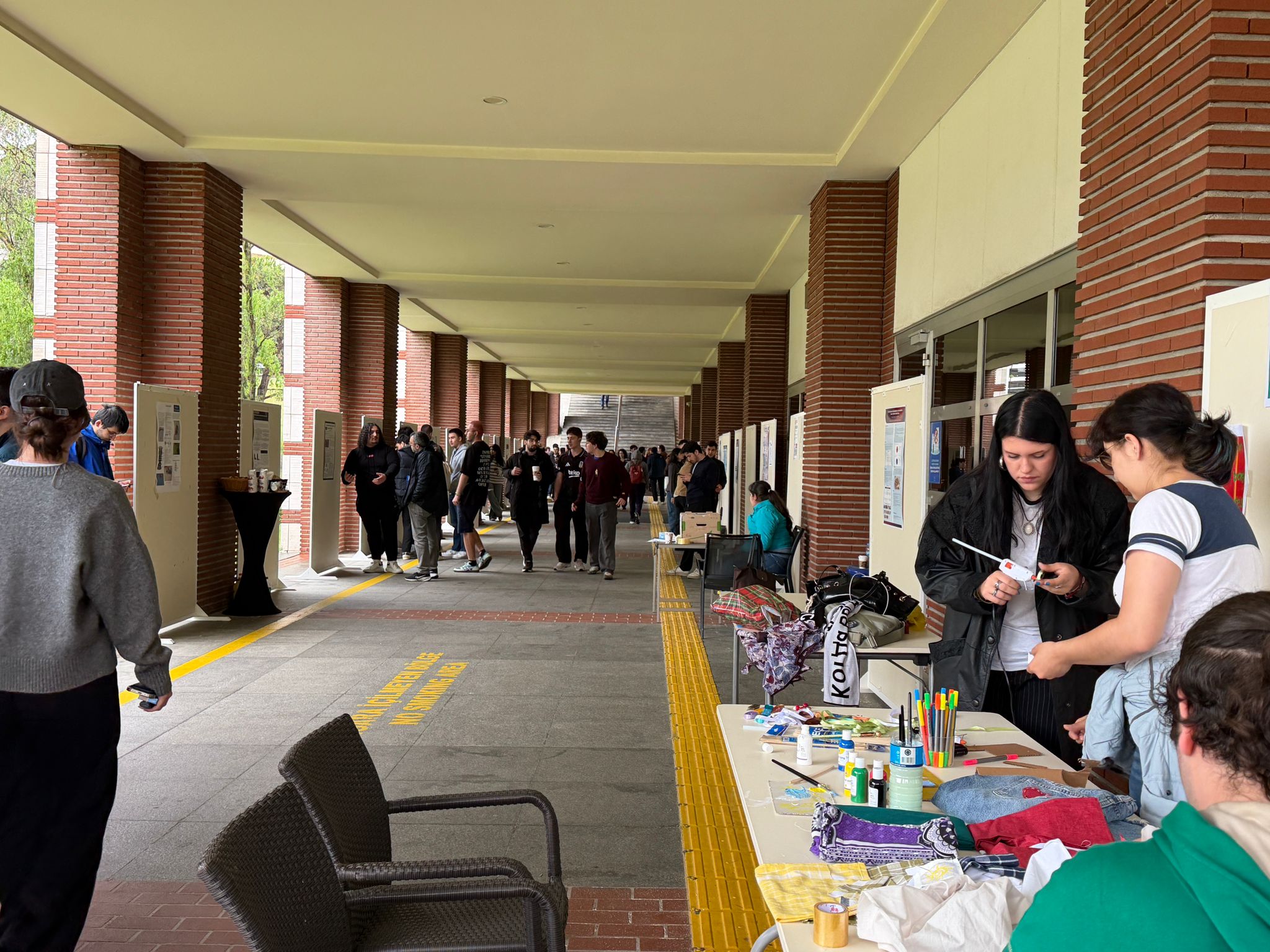
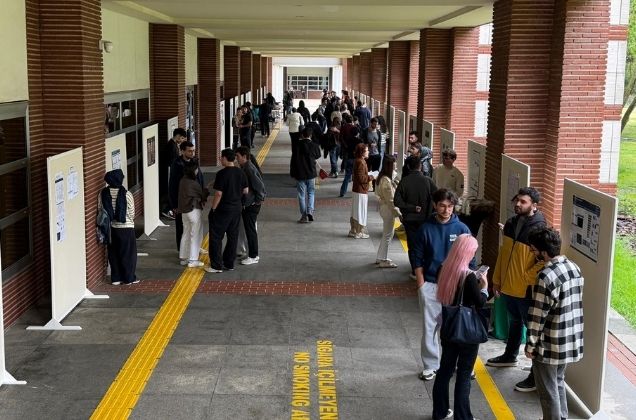
This semester’s PROJ 201 Poster Day featured a wide range of creative and interdisciplinary projects. Offered within Sabancı University’s Foundations Development Program, PROJ 201 – Undergraduate Project Course provides students with the opportunity to develop a project idea through research, experimentation, and collaboration under the guidance of their supervisors. Throughout the semester, students worked on projects ranging from artificial intelligence to robotics, from sustainability to food studies, and from history to design and social issues, and shared their work through posters. Despite the rainy weather, the poster area hosted a lively and colorful gathering. At the end of the day, the “Food, Identity and Sustainability – Aşure” project received the highest number of votes and won first place.
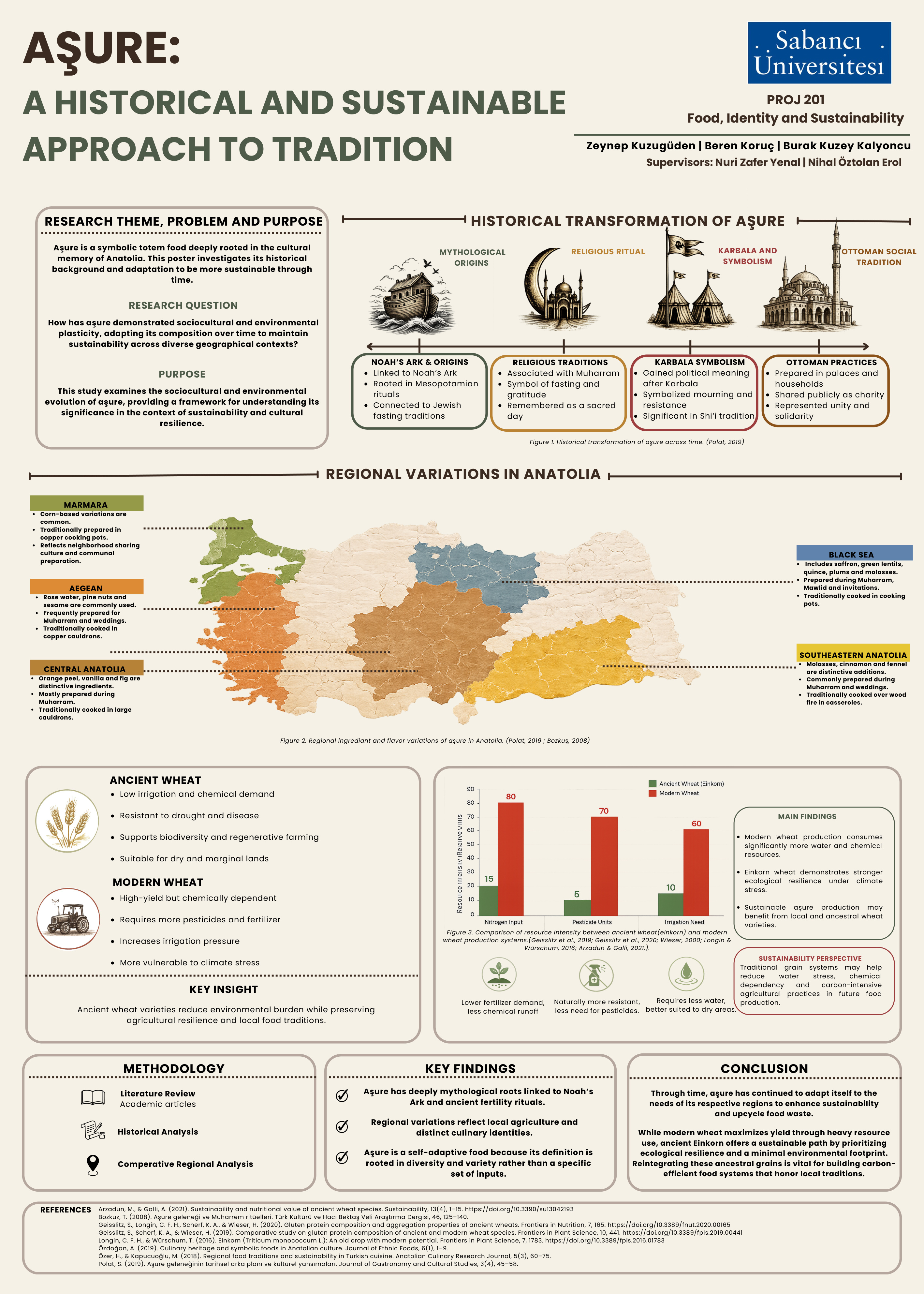
Supervised by Zafer Yenal and Nihal Öztolan Erol, the project approached aşure not merely as a dessert, but through the lenses of memory, sharing, migration, diversity, and sustainability. Drawing on aşure’s historical capacity to bring together different ingredients and cultural influences, the project presented a multilayered analysis extending to contemporary discussions on food systems and social solidarity. The students also examined aspects such as agricultural production, the diversity of grains and legumes, seasonality, and collective labor, linking this traditional food to current debates on sustainability.
The students who prepared the project were:
- Zeynep Kuzugüden
- Beren Koruç
- Burak Kuzey Kalyoncu
Throughout PROJ 201 Poster Day, as participants reviewed the projects and cast their votes, “Food, Identity and Sustainability – Aşure” stood out with its original approach, strong visual presentation, and cultural depth.
One of the project supervisors, Nihal Öztolan Erol, commented on the distinctive aspects of the work as follows:
“As the students researched a dish, they also explored the production journey of the ingredients used in it, from the field to the table. They reconsidered how foods that hold a place in Türkiye’s cultural memory might continue to exist in the future through ideas that can adapt to changing environmental conditions, support local production, and take biodiversity into account. They examined the water and carbon footprints of the animal- and plant-based products used in the projects and argued for the use of products that are adapted to climate conditions, reduce water consumption and greenhouse gas emissions, and are resistant to diseases. In this way, while thinking about a dish, they also evaluated the sustainability of the products it contains.”
The project’s other supervisor, Zafer Yenal, emphasized that they did not approach sustainability solely as an environmental issue:
“Today, discussions on sustainability often proceed only along the axes of carbon, technology, or efficiency. Yet food reminds us that it is not possible to separate environmental issues from social ones. In the process extending from agriculture to the kitchen, elements such as labor, memory, culture, inequality, and belonging are just as important as environmental impacts. The discussion our students developed through aşure made precisely this visible. Such holistic approaches are important, because otherwise we cannot achieve what we call a ‘just transition’ and may end up creating new sacrifice zones that render certain communities invisible.”